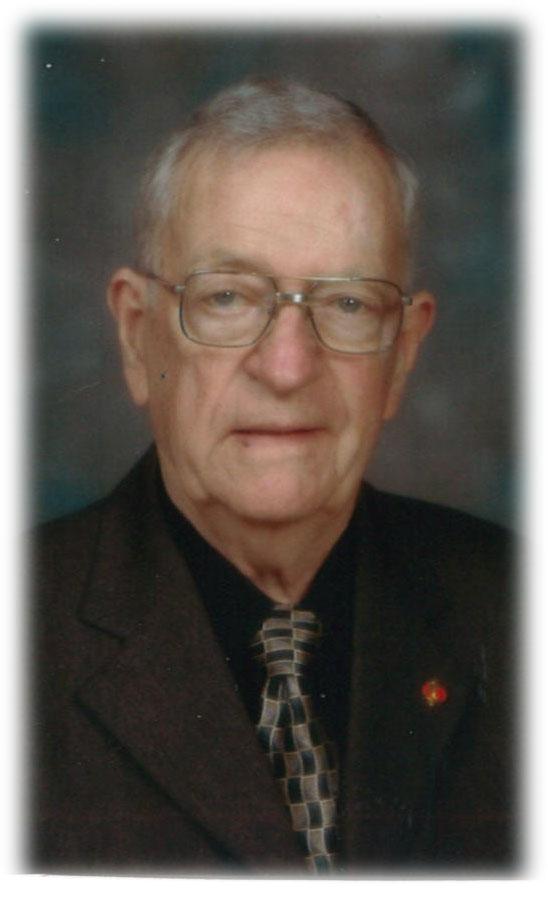
William Hugh Moriarity, MM
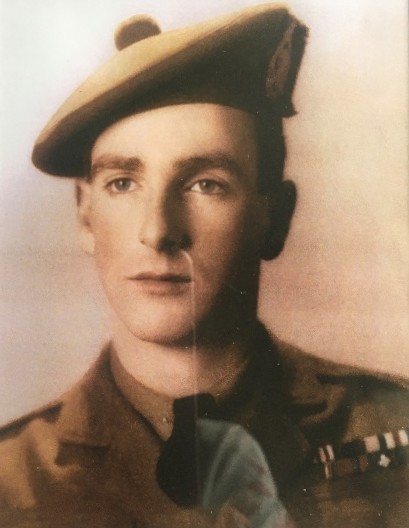
William Hugh Moriarity, also served during the Second World War. He enlisted with the Essex Scottish Regiment, which was among the first Canadian units to see combat in the European theatre during the invasion of Dieppe. By the end of the Dieppe Raid, the Essex Scottish Regiment had suffered 121 fatal casualties, with many others wounded and captured. The Essex Scottish later participated in Operation Atlantic and was slaughtered attempting to take Verrières Ridge on July 21. By the war's end, the Essex Scottish Regiment had suffered over 550 war dead; its 2,500 casualties were the most of any unit in the Canadian army during the Second World War.
Lance Sergeant Bill Moriarity served with distinction in the months following D-Day, as Allied forces continued to force German troops to retreat from France and the Netherlands. However, the Germans were desperate to maintain their control and the fighting in this period was among the fiercest of WW2. Shortly after midnight on February 19, troops from the Canadian Infantry Division had to be reassigned to defend against a strong German counterattack, leaving the Royal Hamilton Light Infantry and Essex Scottish to stand alone until dawn. By 3:15, those troops needed to withdraw as well, leaving only 13 men combat effective.
Major Les Dixon and Lance Sergeant Bill Moriarity played a major role in preventing those men from being overrun. They had taken up a defensive position in a cellar. When German troops attacked, under supporting machine gun fire from Panzer tanks, Dixon and Moriarity met them with bursts from their Bren guns and anti-tank mortars. At one point a German grenade blast blew both men down the stairs, but they climbed back up and continued to return fire. The tank backed off and proceeded to reduce the building to rubble, but Dixon and Moriarity continued to fire, even with German rifles and grenades they recovered from the German dead. To quote the summary of this event that won both Major Dixon and Bill Moriarity the Military Medal, “Moriarity and his companion stood their ground and had the satisfaction of seeing the enemy withdraw, beaten. The bravery and determination of this noncommissioned officer set an inspiring example to the entire regiment….The gallant stand helped to ensure the success of the Company attack.” Bill had the additional honour of having his medal presented by King George VI.
After the war, William was stationed in England for a time and there he met and married his English bride, Lilian Pratt. Bill returned to his Paris home at 56 Ball Street and later brought his wife to Paris. The couple purchased the land across the street from his family home. William resided at 59 Ball Street until his passing on April 2, 1989. The home is now owned and occupied by William and Lilian’s granddaughter and her family.